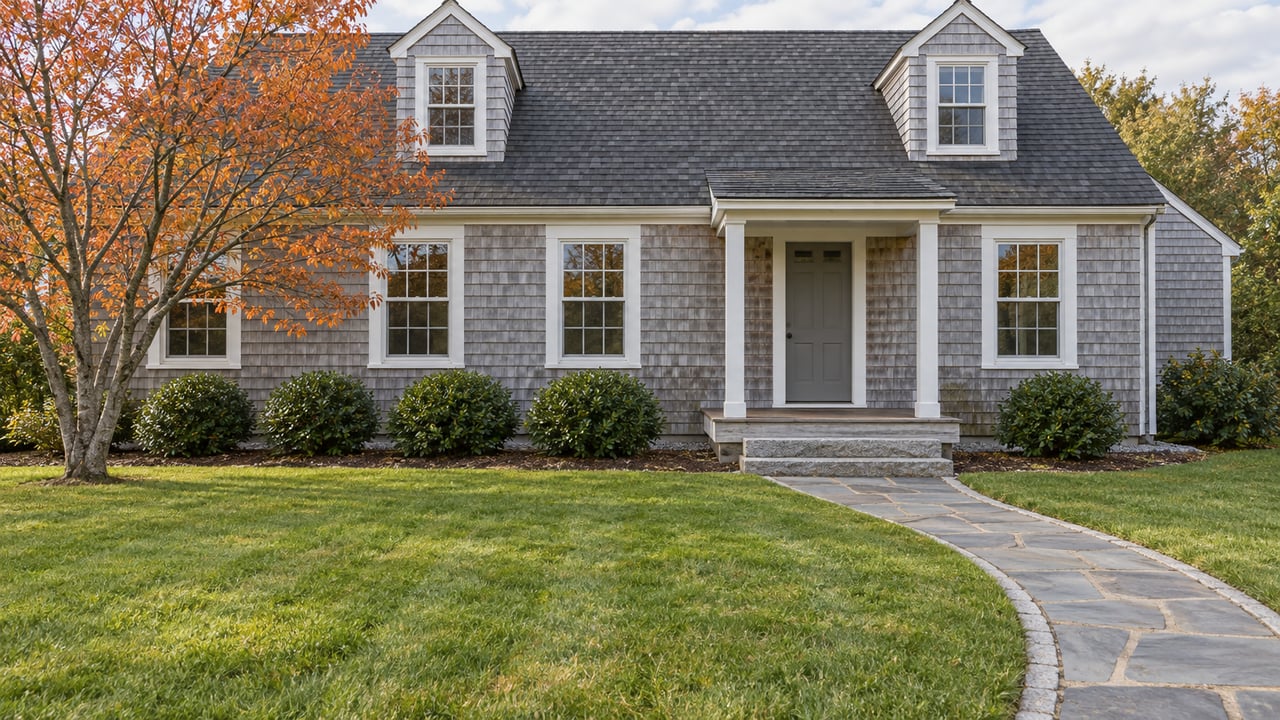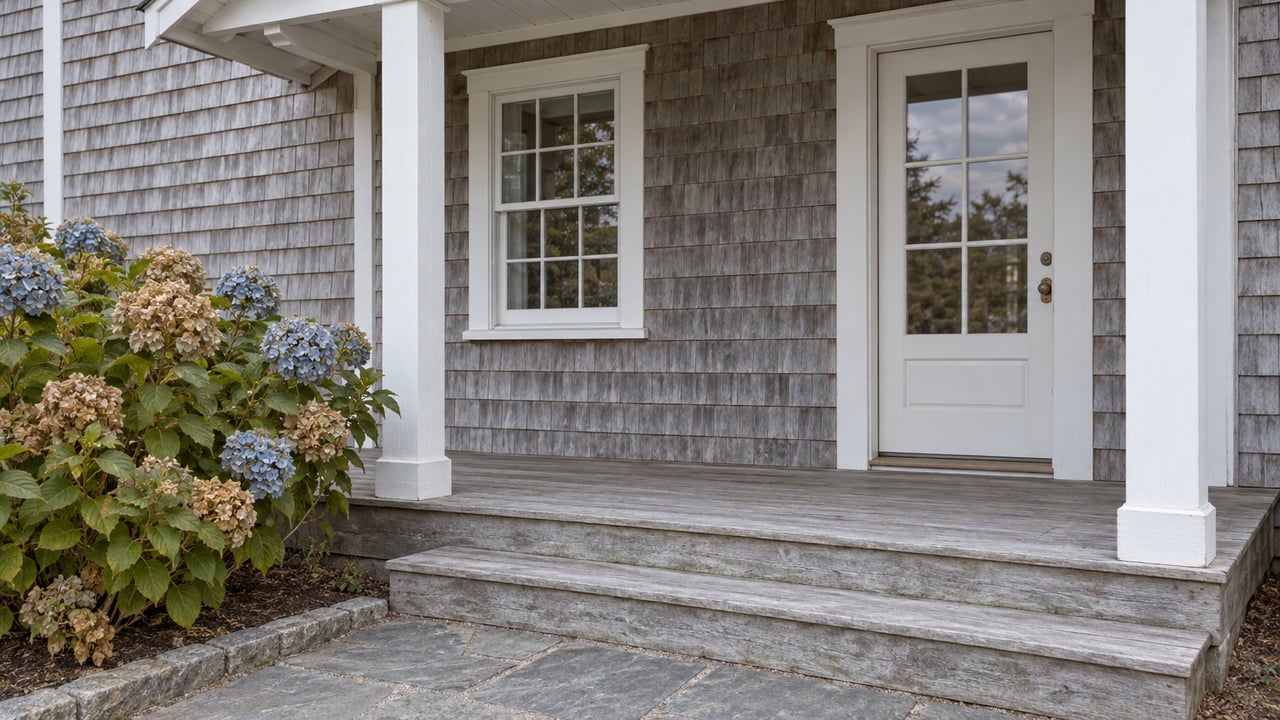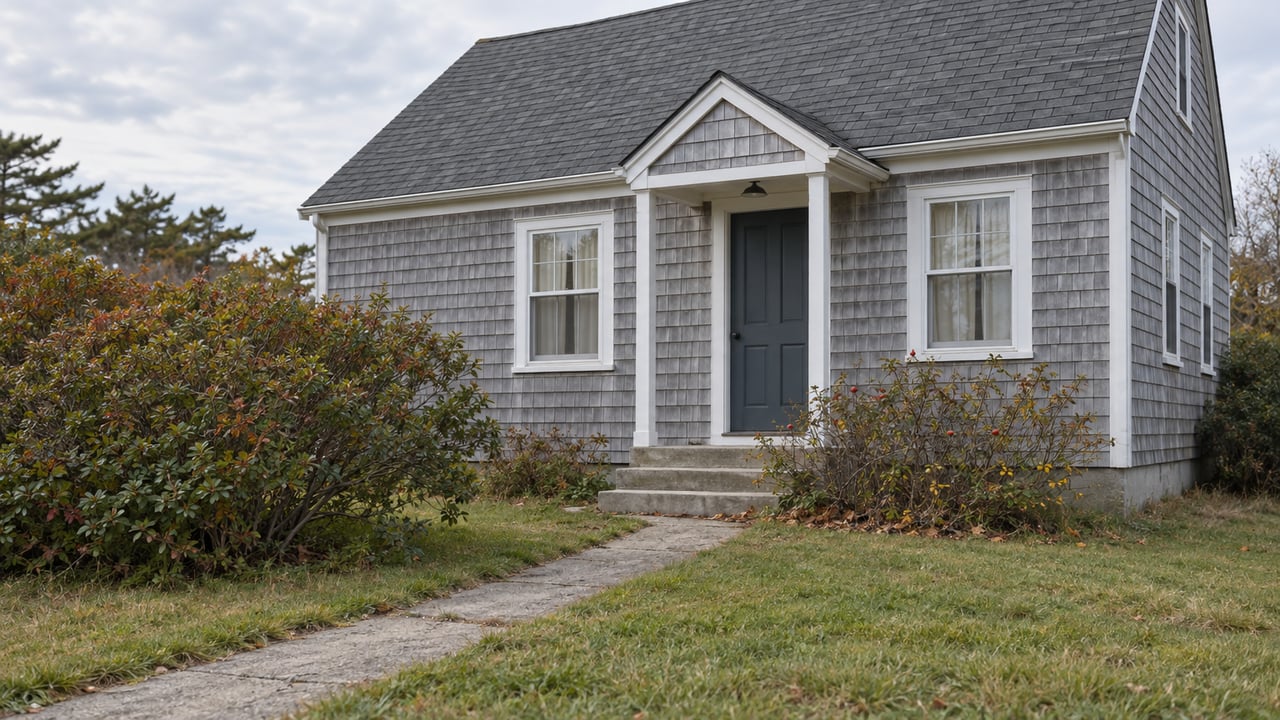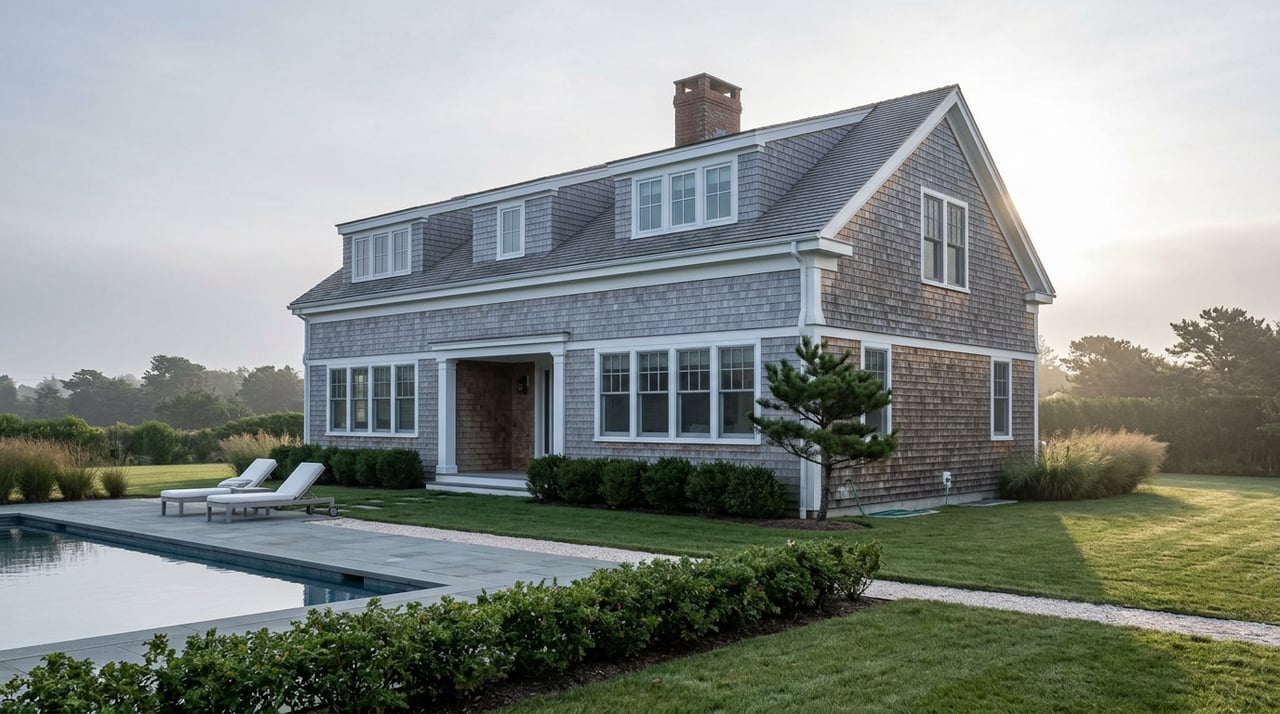
Ever wonder why one part of Nantucket feels lively and social in July, then calm and tucked away by January? On an island where the year-round population is about 12,000 but summer brings more than 50,000 people, the same neighborhood can feel very different depending on the season. If you are thinking about buying, selling, renting, or simply learning the island better, understanding those shifts can help you choose the right fit. Let’s dive in.
Nantucket Is a Seasonal Island
Nantucket does not move at one steady pace all year. Summer is the island’s busiest stretch, with longer days, ocean breezes, busy beaches, outdoor dining, festivals, and community events shaping the mood across town and the shore.
Winter is the opposite in feel. The Town describes it as a quieter season with fewer visitors, winter schedules for services, and a stronger focus on the island’s natural landscape and close-knit year-round community.
Spring and fall sit in between, but they do not feel the same. Spring feels like a gradual reopening, while fall feels softer and quieter, with warm days lingering early before the island settles into a more local rhythm.
What Changes From Season to Season
The biggest neighborhood shifts usually come down to a few practical patterns. Visitor volume rises and falls, seasonal ferry options change, beach use changes, some restaurants reopen or close, and transit service to outer areas ramps up or tapers off.
That is why the most seasonal parts of Nantucket tend to be beach neighborhoods and village-style areas. By contrast, Town, Cliff, and Brant Point often feel more usable year-round because they stay closer to services and daily activity.
Downtown Feels the Island’s Pulse
Summer in Town
Downtown Nantucket feels most animated in summer. Art openings, concerts, theatre productions, and street musicians add to the energy, and the area becomes one of the clearest expressions of the island’s peak season.
If you like being close to activity, summer in Town has a lot to offer. You can feel the lift from the harbor, the foot traffic, and the steady flow of events that make the historic core feel especially alive.
Spring and Fall in Town
Spring in Town feels social again before summer crowds fully arrive. Daffodil Weekend is one of the island’s major seasonal cues, and it acts as an early pulse for many seasonal businesses reopening.
Fall brings a calmer version of Town. The cultural side of Nantucket remains active beyond peak summer, so you still get a sense of energy, just with more breathing room.
Winter in Town
Winter is when Downtown feels most local, with one notable burst of holiday activity. Christmas Stroll brings caroling, holiday shopping, Santa, and a festive weekend that gives the area a concentrated seasonal spark.
Outside of that period, the rhythm is quieter and more everyday. For buyers who value year-round access and walkability, that consistency can matter.
Brant Point Stays Close to the Action
Brant Point in Summer
Brant Point has a classic summer Nantucket feel. Calm harbor water, yacht traffic, and a beach known for picnics and photo sessions give it a distinctly sunny, harbor-side mood.
Its short distance to Town adds to its appeal during the busy months. You get the visual charm and water access, but you are still close to shops, restaurants, and harbor activity.
Brant Point in the Off-Season
As fall turns to winter, Brant Point becomes quieter, but it does not feel cut off. Its main advantage across seasons is convenience, since you are still near Town and year-round services.
That makes Brant Point one of the steadier neighborhoods on the island. The social energy may soften, but the location still works well beyond summer.
Cisco, Surfside, and Miacomet Feel Beach-Driven
Summer on the South Shore
Cisco, Surfside, and Miacomet show some of Nantucket’s strongest seasonal contrast. In summer, these areas feel especially beach-focused, active, and social.
Cisco stands out for layering beach life with stops like Bartlett’s Farm, Cisco Brewers, live music, and food trucks. Surfside and Cisco beaches are also identified by the Town as busy in summer, which reinforces how central warm-weather beach activity is to these areas.
Fall and Winter on the South Shore
Once summer eases, these neighborhoods shift into a more local and quieter version of themselves. The Town’s beach information for Surfside and Cisco highlights winter wildlife, migratory birds, and dog walking, which gives you a very different picture from peak season.
If you love the ocean but do not need a constant social scene, fall and winter can reveal another side of these neighborhoods. They feel less like vacation centers and more like places to appreciate open shoreline and changing weather.
Madaket Feels Like an Escape
Summer in Madaket
Madaket has one of the strongest identities on Nantucket. The area is known for sunsets, sand roads, cottages, marshes, Long Pond, and a less-developed feel that reads as relaxed and removed from the center of Town.
In summer, that distance can feel like part of the appeal. The neighborhood still has social energy, but it tends to feel more laid-back than busier parts of the island.
Winter in Madaket
In winter, Madaket can feel especially still. Seasonal shuttle patterns taper off later in the year, and the neighborhood’s edge-of-the-island setting becomes even more noticeable.
For some buyers and renters, that calm is exactly the draw. For others, it is a reminder that Nantucket location is about seasonal lifestyle as much as map distance.
Sconset Changes by the Month
Spring in Sconset
Siasconset, or Sconset, may be the clearest example of a neighborhood that changes shape through the year. In spring, the tailgate picnic tied to Daffodil Weekend and the start of seasonal transit service help signal that the village is waking up.
It feels social again, but not yet at summer intensity. That shoulder-season quality is part of what makes spring on the east end feel so distinct.
Summer in Sconset
By summer, Sconset feels especially picturesque. The village has a seasonal market, restaurants, shuttle service, and foot traffic, and the roses are noted as especially beautiful in July.
This is when Sconset feels most outward-facing and lively. You get the village texture, the walkable feel, and the seasonal features that make it one of Nantucket’s signature summer settings.
Fall and Winter in Sconset
Late fall and winter make Sconset feel more preserved and residential. The visual charm remains, but the activity level changes, and the area reads more as a quiet village enclave.
That seasonal shift is important if you are considering a home here. Sconset can offer very different experiences depending on whether you picture your time on island in July, November, or February.
Cliff Offers More Year-Round Balance
Cliff is one of the better examples of a neighborhood that works across seasons. Its closeness to Town, harbor views, and access to Steps Beach help it stay appealing even when beach-centered areas quiet down.
That does not mean Cliff feels the same all year. Winter is still more relaxed, but the neighborhood tends to avoid the stronger seasonal swing you see in more distant beach areas.
For buyers who want access to Nantucket’s seasonal highs without relying entirely on them, Cliff often fits that middle ground. It offers a blend of neighborhood feel, convenience, and year-round usability.
Quidnet, Polpis, and Wauwinet Stay Peaceful
Some Nantucket neighborhoods are quiet in every season. Quidnet, Polpis, and Wauwinet all lean peaceful, and they become especially calm once summer traffic fades.
Polpis is described as a place of peace and solitude, Quidnet as peaceful, and Wauwinet as a summer retreat that is nearly all seasonally inhabited. If your idea of Nantucket centers on space, stillness, and a slower pace, these areas may stand out.
Which Neighborhoods Change the Most?
If you are looking for the biggest seasonal transformation, focus on Sconset, Madaket, Cisco, and Surfside. These areas are shaped more directly by beach use, village activity, and seasonal transportation and service patterns.
If you want a steadier year-round rhythm, Town, Cliff, and Brant Point usually offer more continuity. They still reflect the island’s seasons, but their daily usability tends to hold more consistently.
Why This Matters for Buyers, Sellers, and Renters
Seasonal feel is not just a lifestyle detail. It can shape how you use a home, when you enjoy it most, how you think about rental demand, and what kind of neighborhood experience you want when the island is full or quiet.
If you are buying a second home, it helps to ask yourself whether you picture Nantucket at its busiest or at its calmest. If you are selling, it helps to understand what kind of seasonal identity your location offers. If you are exploring rentals, neighborhood timing can be just as important as the house itself.
On Nantucket, the same address can tell a different story in April, August, and January. Understanding those differences is one of the best ways to find a property that truly fits how you want to live on the island.
If you want help matching a home, neighborhood, or rental strategy to Nantucket’s seasonal rhythms, Sanford & Sanford Real Estate can help you buy, sell, or rent with local insight and personal guidance.
FAQs
When is Nantucket busiest for neighborhoods and beaches?
- Summer, especially July and August, is the busiest time, when population and activity peak across the island.
Which Nantucket neighborhoods feel most seasonal?
- Madaket, Sconset, Cisco, and Surfside tend to show the strongest seasonal change because their rhythm is closely tied to beach use, village activity, and seasonal transit patterns.
Which Nantucket areas feel most usable year-round?
- Town, Cliff, and Brant Point generally feel the most usable year-round because they stay close to services, daily activity, and walkable areas.
What does spring feel like in Nantucket neighborhoods?
- Spring feels like a gradual reopening, with Downtown and Sconset becoming more social again before the island reaches peak summer density.
What is the quietest season on Nantucket?
- Winter feels quietest, especially January and February, when the island is on winter schedules and many restaurants close for the season.