Two iconic north shore addresses on Nantucket, one important decision: will you thrive being steps from the harbor buzz at Brant Point, or does the privacy and sunset glow of the Cliff feel more like home? You want walk-to-town ease, beautiful beaches, and a property that fits your lifestyle and goals, possibly with rental potential. In this guide, you’ll get a clear, side-by-side look at location, beach character, property types, boating access, short-term rental rules, and smart due diligence so you can choose with confidence. Let’s dive in.
Quick feel for each area
Brant Point at the harbor’s edge
Brant Point sits at the mouth of Nantucket Harbor, right by the lighthouse and wharves, and is commonly described as a short walk to Main Street and the ferries. It is prized for ease of access to town, harbor views, and family-friendly harbor beaches like Children’s Beach and nearby Jetties. If you love boat watching, flat streets, and the ability to stroll to dinner in minutes, start here. Learn more on the Town’s overview of Brant Point and its harbor setting.
The Cliff for space and views
Just west of Brant Point, the Cliff centers on Cliff Road and the Lincoln Circle area, with signature access to Steps Beach and conservation land at Tupancy Links. Many properties sit on larger lots with gardens, pool compounds, and Sound-facing views, and the area still keeps you close to town by foot or bike. For buyers who want privacy and sunsets while staying convenient to Main Street life, the Cliff fits the brief. Get a feel for the neighborhood character and amenities on this Cliff neighborhood guide.
Walkability, beaches, and daily rhythm
If top-tier walkability defines your days, Brant Point is hard to beat. You can be on Main Street or at the ferry in minutes, and Children’s Beach offers calm water and summer amenities that are ideal for easy family time. The tradeoff is a more in-town setting and smaller lots.
The Cliff balances quiet residential streets with quick access to town. Many addresses quote an 8 to 15 minute walk, and the bike ride is a breeze. Steps Beach is the local favorite, with a steeper access down to the sand and postcard sunset views across Nantucket Sound. Explore the public access at the Town’s page for Steps Beach and the “Top of the Steps”.
Think of it this way: choose Brant Point if you want sheltered harbor beaches and the fastest route to shops and dining. Choose the Cliff if you want more separation from summer foot traffic, bigger views, and a neighborhood feel, while still reaching town easily.
Property styles and privacy
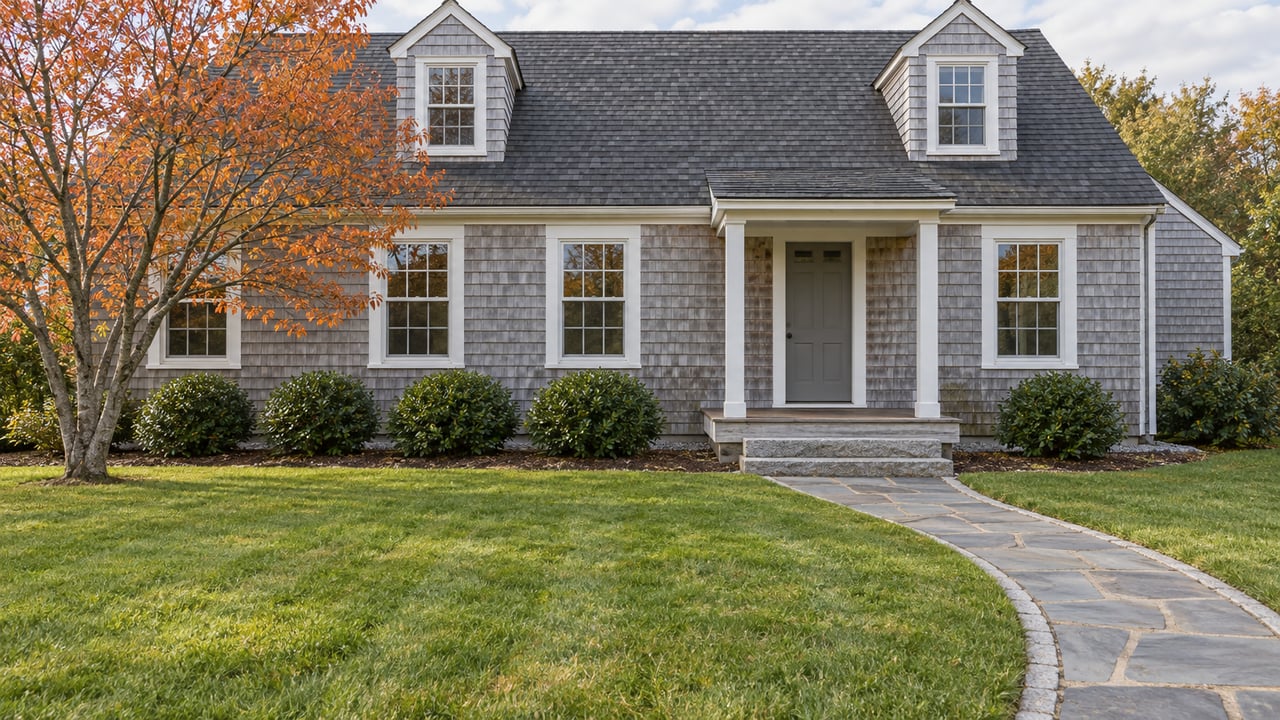
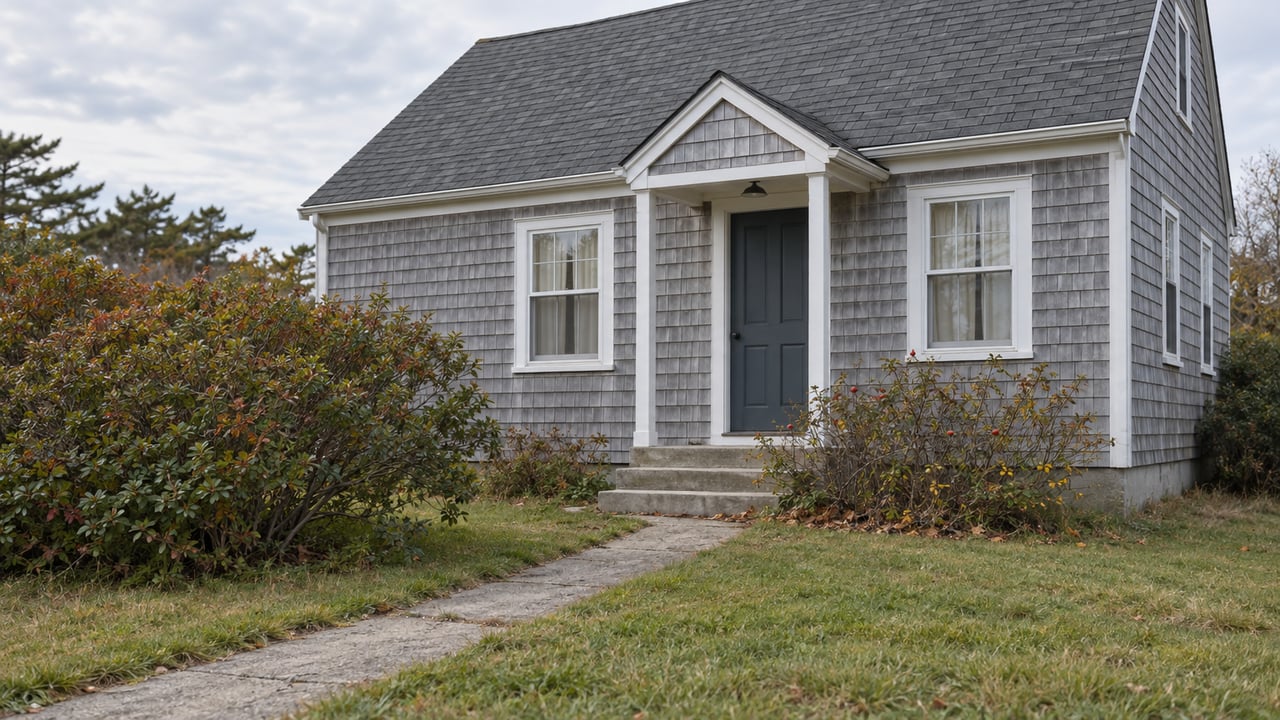
Brant Point mixes classic cottages and historic homes on smaller lots close to the harbor. The vibe is lively and convenient, and many homes are used as summer houses or weekly rentals because of the location. You will likely trade some privacy for proximity.
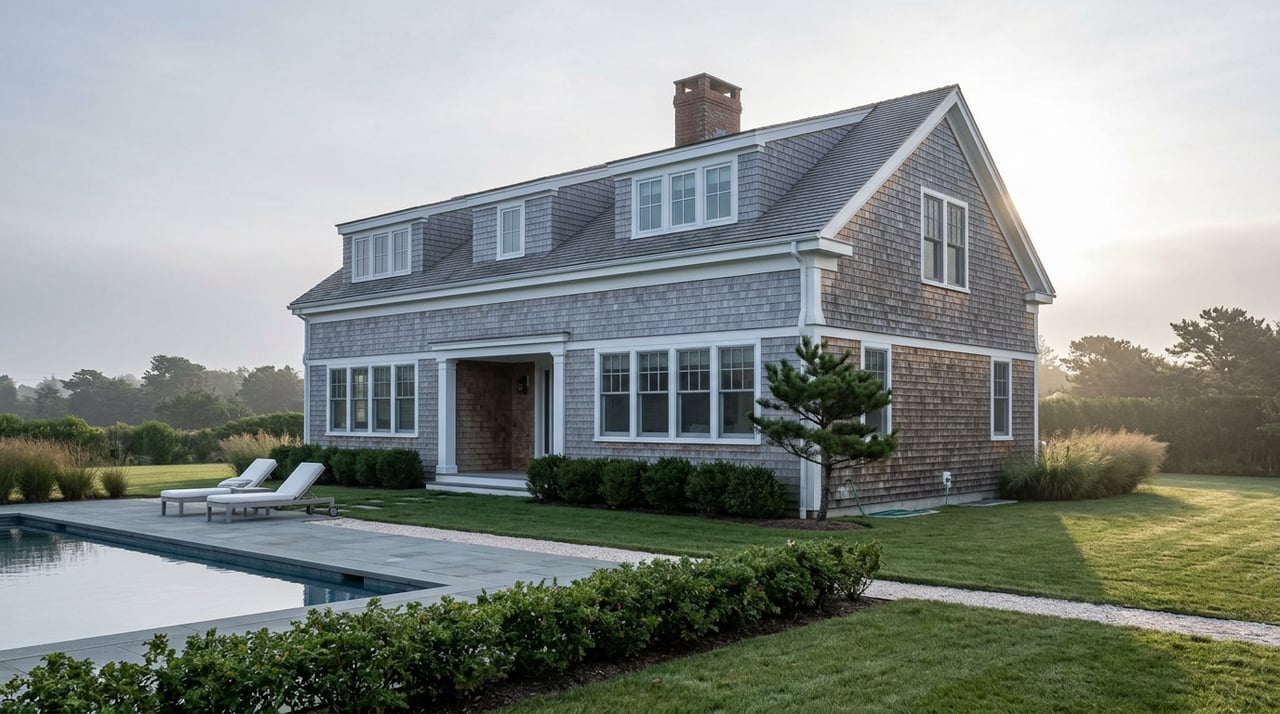
On the Cliff, you will find grand Shingle-style estates and contemporary compounds with larger lots, gardens, guest cottages, and pools. Inventory is limited, and properties here are highly prized for their space, outlook, and quiet streets. The neighborhood’s anchors, from Steps Beach to conservation trails, support a private, resort-like rhythm.
Nantucket’s Historic District Commission oversees exterior alterations across most of the island, including Brant Point and much of the Cliff. Expect review steps for visible exterior work and plan timelines accordingly. You can read about the process on the Town’s Historic District Commission page.
Boating and harbor access
If your plan includes a boat kept in the harbor, Brant Point places you next to moorings, the harbormaster area, boat services, and Straight Wharf. It is the island’s most in-town waterfront. Many Cliff homes enjoy water views and quick access to north shore beaches, but they are less likely to sit by marina slips. If mooring or slip access is essential to your lifestyle, confirm availability and seasonal rules with the Town before you buy, and factor waitlists into your timing. You can orient yourself using the Town’s Brant Point overview of the harbor setting.
Short-term rentals and your investor lens
Short-term rentals are a major consideration on Nantucket, and rules have evolved. If you are weighing income to offset carrying costs, read this section twice.
- Local registration is required. Nantucket’s Board of Health regulations for short-term rentals require a local certificate for each qualifying dwelling unit, an annual $250 fee, and certificate numbers displayed in all advertising. Operators must post certificates on site and provide renters with local rules and emergency information. See the Town’s regulations in Chapter 338.
- Taxes and fees apply. Operators collect and remit the state room occupancy tax of 5.7 percent, the local excise of 6.0 percent, and in many cases an optional Community Impact Fee of up to 3 percent that the Town applies in defined situations. Review the Town’s STR tax and fee FAQ before you underwrite cash flow.
- Zoning legal uncertainty exists. A Massachusetts Land Court ruling in 2024 to 2025 concluded that, in at least one Residential Old Historic case, whole-home rentals shorter than 31 days were not permitted under zoning, except owner-occupied room rentals. The Town is pursuing appeals and zoning fixes, and enforcement has been limited while appeals proceed. Treat STR income as conditional until zoning is clarified, and consult local counsel. Read a summary of the decision in the Nantucket Current’s coverage.
- Market practice. Many properties rent weekly in summer, with peak demand from June to September. Professional managers handle turnover, compliance, and tax remittance, and platforms display town and state certificate numbers once registered.
Bottom line: both Brant Point and the Cliff see strong rental demand, but you should verify eligibility, certificates, and zoning before assigning value to any projected income.
Flood, sewer, and permits that affect value
Like all coastal communities, Nantucket manages sea level rise and tidal flooding risks. Downtown and low-lying harbor areas have seen more frequent tidal flooding in recent decades, which can influence flood insurance premiums and future adaptation work. Before you buy, check FEMA flood maps, ask for any elevation certificates, and review the Town’s Resilient Nantucket Design Guidelines for best practices on foundations, elevations, and materials.
Sewer status also matters. Some properties connect to the Town Sewer District, while others use private septic. Connection rules and district boundaries can affect renovation scope, occupancy, and permitting, so confirm the status with the Town and review disclosures. The Town code outlines district rules in the sewer regulations.
For any visible exterior work, plan for HDC review and approvals, and ask your agent to check for conservation restrictions or covenants that could shape your design options. You can start with the Town’s Historic District Commission page.
Which is right for you? A simple checklist
- Walk to town: Brant Point is strongest for immediate access. The Cliff is close, often an 8 to 15 minute walk or a quick bike.
- Harbor access and boating: Brant Point is nearest to moorings and wharves. The Cliff is secondary for direct harbor logistics.
- Privacy and estate scale: The Cliff generally offers larger lots, gardens, and pools. Brant Point tends to have smaller lots and closer neighbors.
- Views and sunsets: The Cliff leans toward wide Sound-facing vistas and sunset glow. Brant Point offers iconic harbor views and boat activity.
- Rental demand and operations: Both areas rent well in summer, but confirm eligibility, registration, and zoning before you value STR income.
Buyer due diligence steps
Sewer or septic. Ask if the property is inside the Town Sewer District or on private septic. District status can affect renovation scope and occupancy. See the Town’s sewer regulations.
Flood zone and elevation. Request any recent elevation certificates and flood insurance quotes. Review FEMA flood maps and the Town’s Resilient Nantucket guidelines for parcel-level considerations.
STR registration and compliance. Confirm whether the property holds a current Nantucket STR certificate and the required state certificate, and that advertising includes certificate numbers as required by Chapter 338. Ask about any enforcement history.
Zoning district and Land Court impact. Verify the zoning district and discuss how the 2024 to 2025 Land Court decision could affect permissible short-term rental use. Read the case summary in the Nantucket Current and consult local counsel.
Harbor logistics. If you plan to keep a vessel in town, confirm mooring or slip options, waitlists, and seasonal rules with the harbormaster. The Town’s overview of Brant Point and the harbor can help orient your search.
HDC and other limits. Ask what Historic District Commission approvals are likely and whether conservation or covenant restrictions apply. Start with the Town’s HDC page.
Final thoughts
You cannot choose wrong between Brant Point and the Cliff. If you crave the energy of the harbor and the fastest walk to dinner, Brant Point is your spot. If you want a quiet, estate-scale retreat with sunset views and beach access, the Cliff delivers. The best fit comes from matching your daily rhythm and goals, from boating and beach time to rental potential and long-term stewardship.
When you are ready to tour on the ground or talk through a purchase, weekly rental strategy, or both, reach out to the local team that blends boutique care with big-market reach. Connect with Sanford & Sanford Real Estate to get started.
FAQs
Which area is best for walking to downtown Nantucket?
- Brant Point is strongest for immediate walkability to Main Street and the ferries, while the Cliff is still close, often about 8 to 15 minutes by foot depending on the address.
How do the beaches differ between Brant Point and the Cliff?
- Brant Point and nearby harbor beaches offer calmer water and summer amenities, while the Cliff’s Steps Beach faces Nantucket Sound with steeper access and wide sunset views.
What short-term rental rules affect a north shore purchase?
- Nantucket requires STR registration with certificate numbers in ads, taxes of 5.7 percent state and 6.0 percent local, and a possible 3 percent Community Impact Fee, plus zoning uncertainty from a recent Land Court ruling, so confirm eligibility before valuing income.
Do homes in these neighborhoods need special approvals for exterior changes?
- Yes, most exterior work on Nantucket is subject to Historic District Commission review, so expect permit steps for visible alterations in both areas.
What should I check about flooding and insurance before I buy?
- Review FEMA flood maps, request elevation certificates and quotes, and consult the Town’s Resilient Nantucket guidance to understand elevation, materials, and potential adaptation needs.
How does sewer versus septic influence my renovation plans?
- Being inside the Town Sewer District can expand renovation options, while private septic may limit capacity, so confirm status early and plan design and permitting around it.