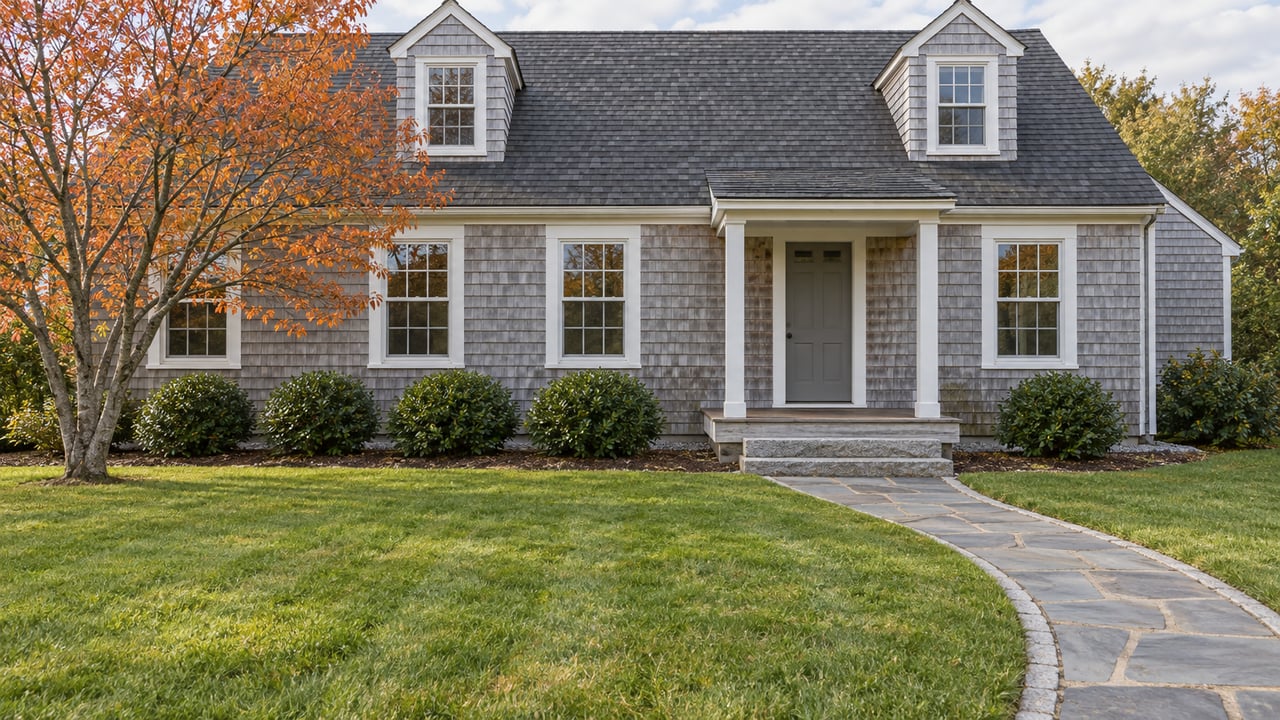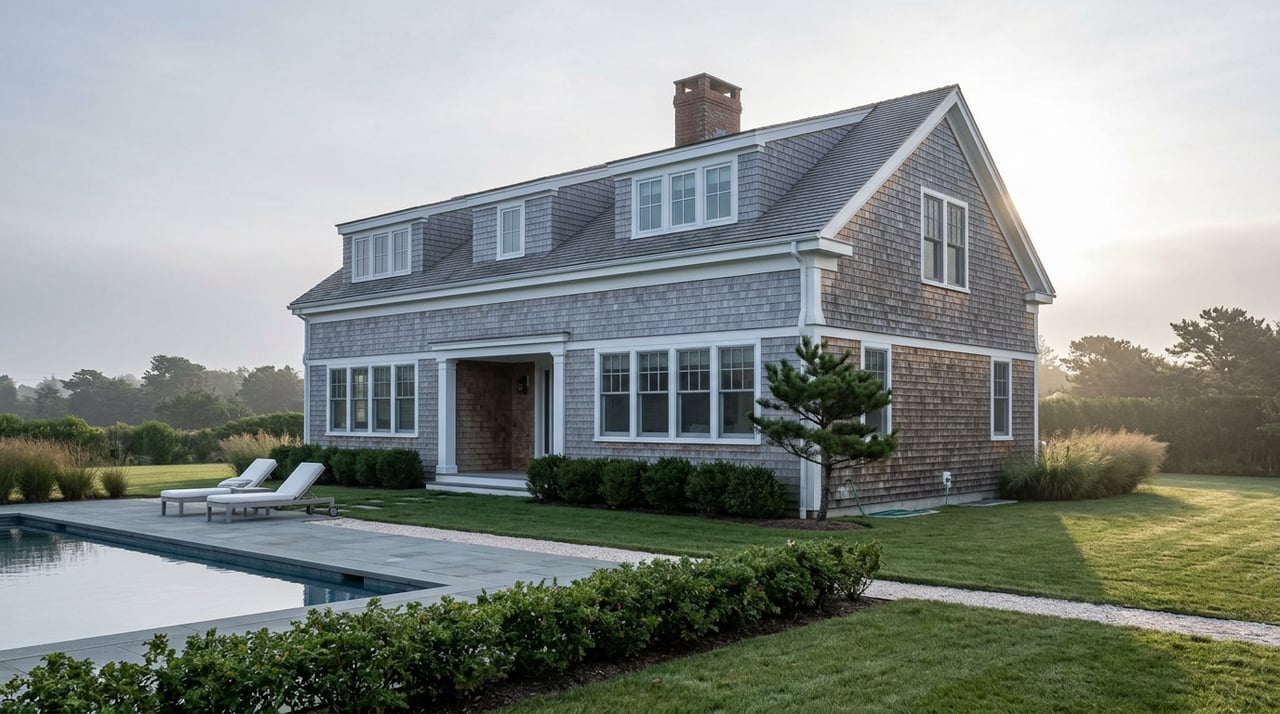
Have you ever wrapped up a perfect Nantucket summer week and thought, what if this didn’t have to end? If you keep returning to the island, moving from seasonal guest to homeowner can feel like a natural next step, but it also comes with a very different set of financial and practical decisions. This guide will help you translate your favorite rental experience into a realistic home search, budget for ownership on Nantucket, and understand the local rules that matter before you buy. Let’s dive in.
Why renters become Nantucket buyers
For many people, the path to ownership starts with familiarity. After a few summers, you usually know which parts of the island fit your pace, whether you prefer being near town, close to the beach, or in a quieter setting farther out.
That repeat-renter perspective can be a real advantage. You are not buying an idea of Nantucket. You are buying into a lifestyle you have already tested, which can make your purchase goals more focused and practical.
Start with Nantucket market reality
Before you fall in love with a property type or location, it helps to anchor your plans in current market conditions. Through October 31, 2025, Nantucket recorded 342 property transfers totaling $1.488 billion, with a median home sales value of $4,365,000, 147 active listings, and a projected absorption of four months.
That matters because it sets expectations on both price and competition. In a market where the median sale price is well above conforming loan limits, many buyers will need jumbo financing, significant cash, or a combination of both.
The 2026 one-unit conforming loan limit in Nantucket County is $1,249,125. Compared with the town’s reported median home sales value, that means a typical purchase often sits in a range where financing strategy becomes just as important as the home search itself.
Build your ownership budget carefully
If you are used to thinking in weekly rental rates, ownership can feel like a different language at first. The key is to shift from seasonal spending to a full monthly and annual cost picture.
A smart ownership budget should include more than principal and interest. You will also want to account for property taxes, homeowner’s insurance, mortgage insurance if applicable, flood insurance where required, and any HOA dues.
Include Nantucket property taxes
For FY2026, Nantucket’s residential property tax rate is $3.12 per $1,000 of valuation. Taxes are billed quarterly, with due dates of August 1, November 1, February 1, and May 1.
That schedule is worth noting if you are timing a purchase around the summer season. It also helps to verify the actual tax picture on a property rather than estimating from the asking price alone, since ownership and values in the assessor database are tied to specific assessment dates.
Plan for closing and lien review
On Nantucket, local due diligence matters. The town’s Municipal Lien Certificate process can reveal taxes, assessments, and other charges that may become liens, and these certificates are commonly requested when a property is sold or refinanced.
This is one reason many buyers benefit from involving a local closing professional early. It helps you understand the property’s status before closing and reduces the chance of surprises late in the process.
Compare financing options early
If financing is part of your plan, get preapproved before you begin shopping seriously. It is also wise to compare official Loan Estimates from more than one lender so you can evaluate terms, fees, and the full cost of borrowing.
In a high-value market like Nantucket, even small differences in loan structure can have a meaningful impact on your long-term carrying costs. A clear budget gives you confidence when the right property appears.
Turn your favorite rental into a purchase brief
One of the best ways to narrow your search is to study your own rental history. Think about the places you have stayed and what kept drawing you back.
Was it the ease of walking into town? Faster beach access? Harbor proximity? Or a quieter edge-of-island feel that gave you more privacy and breathing room?
The town’s own geography-based guide to Nantucket experiences can help frame this. It breaks the island into areas such as downtown, Brant Point, and Cliff; the east and northeast side including Sconset, Quidnet, and Wauwinet; the south side including Tom Nevers, Madaquecham, Nobadeer, and Surfside; and the west side including Cisco, Bartlett Farm, and Madaket.
Ask lifestyle-first questions
A purchase brief works best when it reflects how you actually use the island. Consider questions like:
- Do you want to walk or bike to daily activities?
- Is beach access a top priority?
- Do you care more about harbor access or open-ocean proximity?
- Do you want a more central location or a more tucked-away setting?
- Will you use the home mainly in summer, across multiple seasons, or year-round?
These questions can quickly separate a memorable vacation stay from a smart long-term ownership fit. What feels perfect for one week in August may not be the same as what supports years of use and upkeep.
Understand renovation limits before you buy
Many buyers assume they can personalize a home after closing. On Nantucket, that assumption needs to be tested early, especially if your plans include visible exterior changes.
The Historic District Commission oversees exterior construction and alterations within the island-wide historic district, which is a National Historic Landmark district with more than 5,000 contributing structures. There are also special core districts in Nantucket Town and Siasconset.
Why the HDC matters to buyers
If a property sits within the historic district, exterior work may need review and approval. Depending on the project, that can include roofs, HVAC equipment, driveways, fences, and other site or exterior features.
This does not mean you should avoid these properties. It simply means you should match your buying strategy to your renovation goals and understand approval requirements before you commit.
For a renter-turned-buyer, this is especially important. The home that charmed you as a guest may come with design or alteration constraints that affect how you plan to use or update it as an owner.
Consider rental income with clear rules in mind
Many second-home buyers explore summer rentals to help offset carrying costs. On Nantucket, that can be part of a sound ownership strategy, but only if you model both the tax treatment and the local short-term rental rules.
Your expected rental income should never be treated as a vague bonus. It should be built into a realistic plan that accounts for registration, taxes, compliance, and how often you will use the property yourself.
Know Nantucket short-term rental requirements
According to the town’s short-term rental guidance, owners renting for 31 consecutive days or less need a Short-Term Rental Certificate. A property rented for 14 days or less in a calendar year is not considered a short-term rental.
Each dwelling unit needs its own certificate. Advertisements must display both the Massachusetts and Nantucket certificate numbers, and owners must also register with the state through MassTaxConnect.
The current fee schedule includes:
- A $250 registration fee
- A 5.7% state room occupancy excise
- A 6% local room occupancy excise
- A 3% community impact fee when applicable
Understand how use affects taxes
If rental income is part of your plan, tax treatment depends on how the home is used. Rental income and expenses may be treated differently based on the balance of personal use and rental use.
Potential deductible expenses can include mortgage interest, real estate taxes, maintenance, utilities, insurance, and depreciation, but the details depend on your specific situation. This is where a CPA or tax adviser becomes an important part of your team.
Build your Nantucket buying team early
A smooth purchase usually starts with the right local advisers. On Nantucket, that team often includes a lender, buyer’s agent, home inspector, insurance agent, and a title or settlement professional.
If you plan to rent the home, add a CPA or tax adviser early in the process. Their guidance can help you assess whether a property supports both your lifestyle goals and your financial plan.
Why local knowledge matters
Nantucket purchases often involve details that are easy to miss if your team does not know the island well. Historic district review, lien questions, insurance needs, and rental compliance can all affect your decision-making.
That is why many buyers value a relationship-driven team that understands both the emotional side of island ownership and the operational side of owning here. When your advisers know the neighborhoods, the process becomes more grounded and less reactive.
A practical path from renter to owner
If you are serious about making the leap, keep the process simple and structured. Start with the island experience you already know, then build outward from there.
A practical next-step framework looks like this:
- Review where you have rented and what you loved most
- Set a full ownership budget, including taxes, insurance, and possible financing costs
- Get preapproved if financing will be part of the purchase
- Define your preferred area based on how you want to live on Nantucket
- Evaluate whether rental income is part of your long-term plan
- Check whether renovation goals may be affected by HDC review
- Assemble your local buying team before making an offer
Ownership on Nantucket is rarely an impulse move. It is usually the result of repeated visits, clearer priorities, and a growing sense that the island feels like your place.
When you are ready to explore what ownership could look like for you, working with a team that understands both Nantucket living and Nantucket property strategy can make all the difference. Connect with Sanford & Sanford Real Estate to talk through your goals, favorite areas, and the right next step from summer renter to homeowner.
FAQs
What does it cost to buy a home on Nantucket?
- Through October 31, 2025, Nantucket’s reported median home sales value was $4,365,000, so many purchases require substantial cash, jumbo financing, or both.
What property taxes should Nantucket buyers expect?
- For FY2026, Nantucket’s residential property tax rate is $3.12 per $1,000 of valuation, with quarterly due dates of August 1, November 1, February 1, and May 1.
What should a Nantucket ownership budget include?
- A complete budget should consider mortgage payments, property taxes, homeowner’s insurance, mortgage insurance if applicable, flood insurance where required, HOA dues if any, and expected maintenance costs.
What short-term rental rules apply to Nantucket homeowners?
- Owners renting for 31 consecutive days or less need a Short-Term Rental Certificate, each dwelling unit needs its own certificate, and applicable registration fees and occupancy taxes may apply.
What renovation rules should Nantucket homebuyers know?
- If a property is within the island-wide historic district, exterior work such as roofs, HVAC, driveways, fences, and similar features may require Historic District Commission review and approval.
What professionals should be on a Nantucket homebuying team?
- A strong local team can include a lender, buyer’s agent, home inspector, insurance agent, title or settlement professional, and a CPA or tax adviser if rental income is part of your plan.