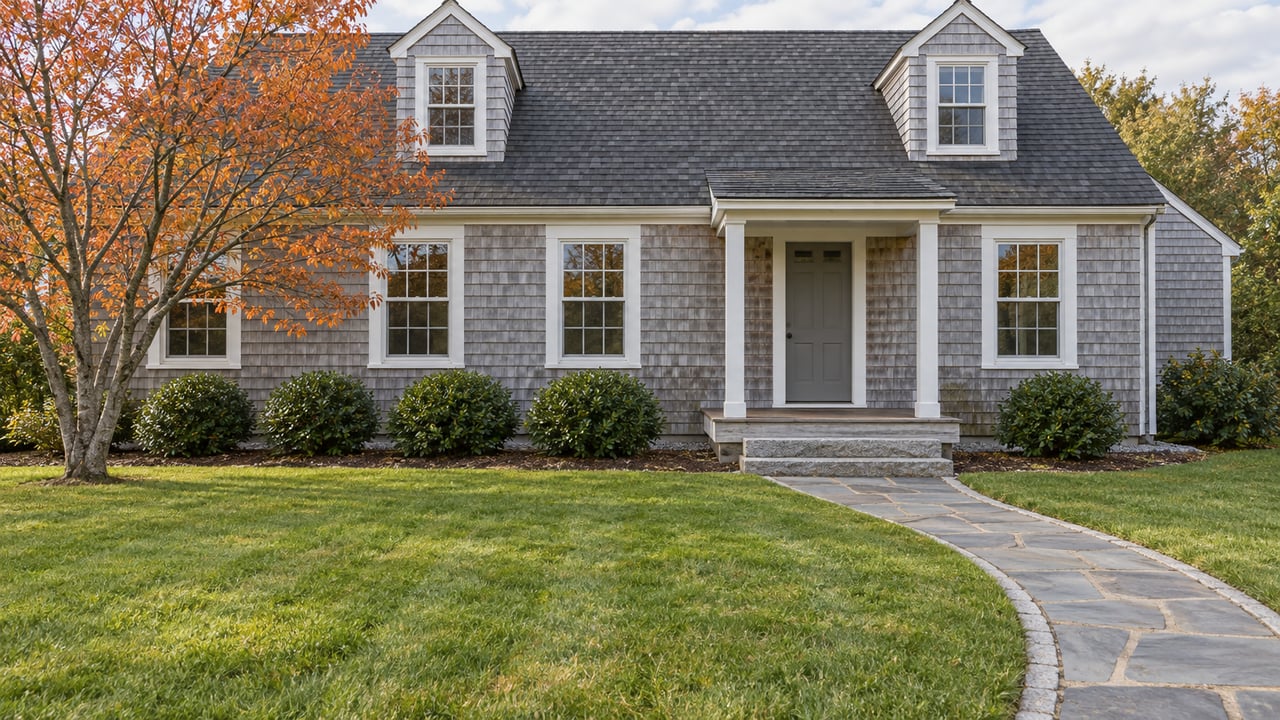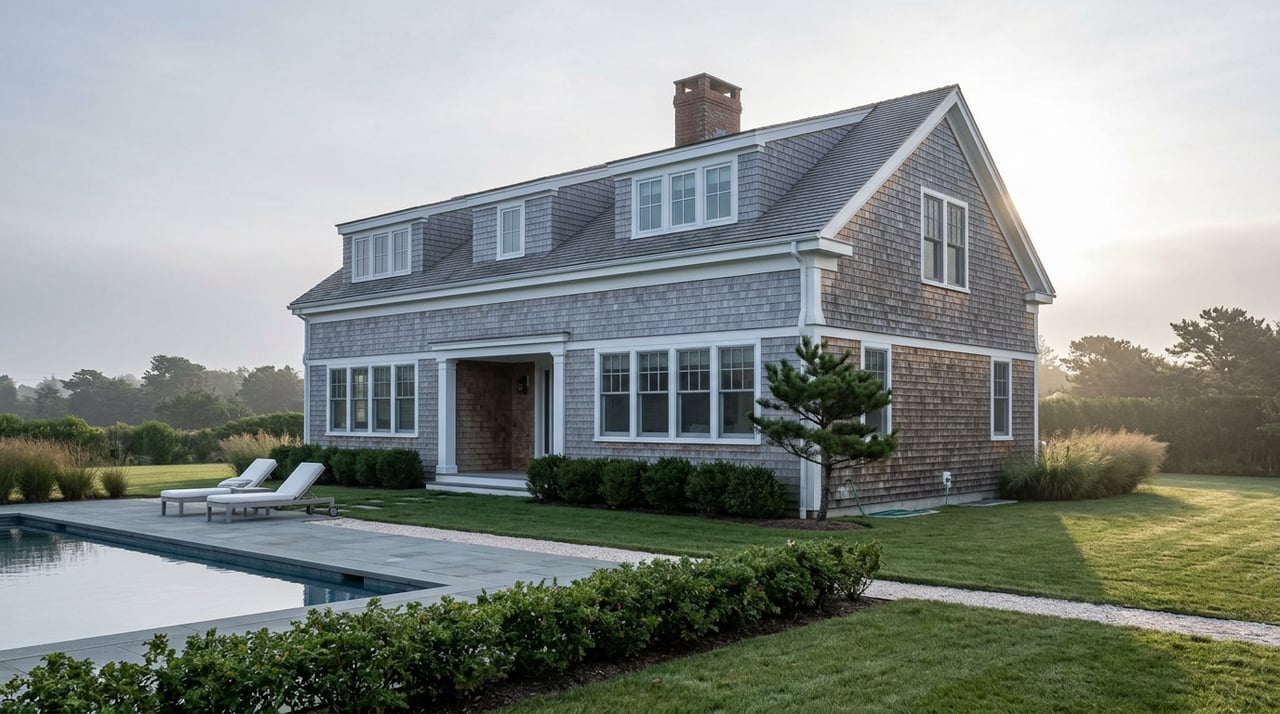
If you are thinking about buying land in Polpis, you are not just buying a vacant parcel. You are buying into one of Nantucket’s most rural and environmentally sensitive landscapes, where views, wetlands, access, and zoning can matter as much as acreage itself. If you understand those layers early, you can make a smarter decision and avoid costly surprises later. Let’s dive in.
Why Polpis land feels different
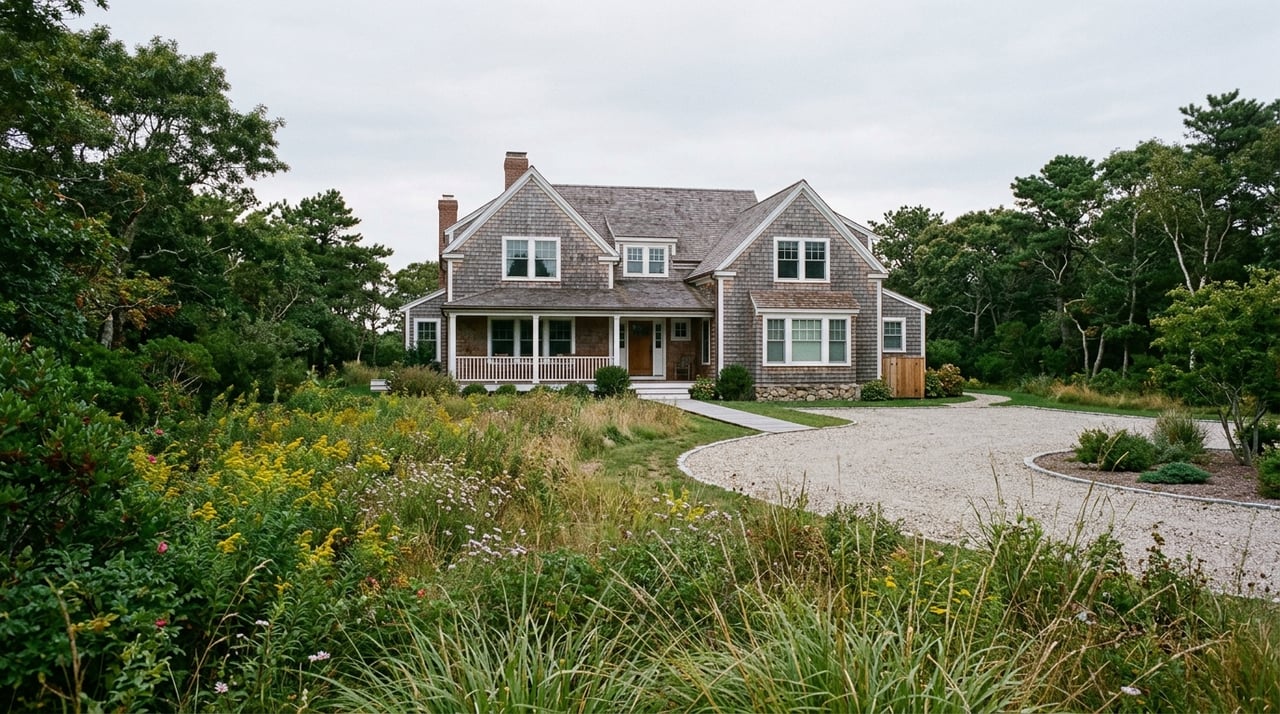
Polpis has a very different pattern from more compact parts of Nantucket. The Town of Nantucket describes it as a dispersed, centerless village shaped by farms, rolling hills, pastures, beech woods, salt marsh, peat bogs, and glacial kettle-hole ponds.
That setting is a big part of the appeal. When you look at land here, you are often evaluating terrain, water orientation, wetland edges, and surrounding conservation land, not just lot lines on a map.
Polpis also sits near a large amount of protected open space. The Nantucket Land Bank says nearly half of the island is permanently protected, and conservation properties in and around Polpis include areas like Windswept Bog, with restored wetlands, forests, swamps, and ponds.
For you as a buyer, that can be both a benefit and a planning issue. Protected land can help preserve the natural character around a property, but it can also mean added review, tighter limitations, and a stronger need to understand what can and cannot be improved.
Start with GIS and zoning
Before you get attached to a parcel, start with the Town of Nantucket’s GIS maps. The town provides zoning maps, road ownership information, sewer district maps, flood and harbor protection maps, wellhead recharge zones, and trail maps.
In Polpis, these map layers are not just helpful. They are often the fastest way to see whether a parcel may support your goals, especially if you are considering a new build, guest structure, driveway, or long-term hold.
Check the zoning district first
Nantucket’s zoning code sets baseline standards that can affect whether a lot is usable as planned. In lower-density areas, minimum lot size and frontage can be especially important.
Here are some of the town’s standards for low-density districts:
| District | Minimum Lot Size | Minimum Frontage |
|---|---|---|
| R-40 | 40,000 sq ft | 75 ft |
| LUG-1 | 40,000 sq ft | 100 ft |
| LUG-2 | 80,000 sq ft | 150 ft |
| LUG-3 | 120,000 sq ft | 200 ft |
The code also applies setbacks and ground-cover limits, and those standards generally become more restrictive in lower-density districts. That means a large parcel may still have limits on where and how you can build.
Look for the Country Overlay District
Some Polpis properties may fall within the Country Overlay District. The town says this district is intended to preserve traditional rural land-use patterns and discourage dispersed development that is costly to build and maintain.
If a parcel is in this overlay, the Planning Board or Zoning Board of Appeals may consider that status during site-plan review. In practical terms, overlay status can affect layout, approvals, and infrastructure expectations.
Access matters more than it may appear
A beautiful lot is not enough if legal access is unclear. In Polpis, where roads and lot configurations can be less straightforward, access should be confirmed by deed and survey, not by what looks obvious on the ground.
Nantucket’s code addresses frontage, easements, shared driveway access, and some forms of special-permit relief. That means a parcel may look promising at first glance but still require careful review before you can assume it is buildable.
The Nantucket Registry of Deeds also notes that the island has both Recorded Land and Registered Land systems. Your attorney should confirm title status, recorded easements, and any access rights before you move forward.
Access questions to ask early
- Does the parcel have legal frontage, or does it rely on an easement?
- Is the road public or private?
- Are there shared driveway rights or obligations?
- Does the survey match the practical access route on the ground?
- Are there title issues tied to Recorded Land or Registered Land status?
These are early questions, not closing-table questions. In a place like Polpis, they can shape the whole value of the property.
Wetlands and conservation review can shape the deal
Environmental review is one of the biggest factors in Polpis land purchases. Nantucket’s Conservation Commission administers the Massachusetts Wetlands Protection Act and the town’s local wetland bylaw and regulations, and the town states that projects proposed within 100 feet of any jurisdictional resource area may require review.
That is especially relevant in Polpis because the landscape is closely tied to marshes, bogs, ponds, shoreline areas, and harbor waters. If your parcel includes or borders wetlands or other sensitive areas, your building envelope and site work may be affected.
The town also adopted updated wetland protection regulations effective January 1, 2025. If you are evaluating land now, you want your due diligence to reflect the current standards.
Improvements that may trigger review
Depending on the parcel, local review may be needed for:
- Clearing vegetation
- Grading or drainage work
- Trails or path work
- Docks or shoreline-related improvements
- Work near wetlands, marsh, bluff, or pond edges
This is one reason raw acreage in Polpis should never be priced or judged by size alone. The usable area and the approval path matter just as much.
Water, sewer, and septic need upfront attention
Utilities can make or break a land purchase on Nantucket. The island’s aquifer is its sole source of drinking water, and the Town of Nantucket Water Department handles public drinking water service.
Do not assume a parcel has public water just because nearby homes appear developed. You should confirm parcel-level service status directly as part of your due diligence.
Wastewater deserves the same level of focus. The town’s Health Regulations identify septic systems, sewage disposal and treatment, wells, wellhead protection, and watershed-specific rules as active local public-health topics, and Massachusetts Title 5 applies to septic systems statewide.
For an unsewered Polpis parcel, septic feasibility should be checked before closing. A lot can be attractive on paper but still face meaningful constraints tied to soils, setbacks, watershed rules, or wellhead protection concerns.
Utility items to verify
- Public water availability for the parcel
- Sewer district status on the town map
- Septic feasibility for the intended use
- Well and wellhead protection constraints
- Watershed-related local health rules
Think beyond purchase price
Buying acreage on Nantucket involves more than the contract price. The Nantucket Land Bank says a 2 percent fee applies to most real estate transfers, and the Registry of Deeds states that land transfers and qualifying long leases must go through the Land Bank before recording.
The Registry also notes separate deed excise and recording fees. When you are budgeting for a Polpis land purchase, these costs should be part of your early math, along with survey work, legal review, engineering, and any site feasibility analysis.
That matters even more if your plan includes a custom build. In Polpis, the true cost of the deal often depends on what it takes to confirm access, satisfy local rules, and create a site that works over the long term.
A practical due diligence approach
The most successful land buyers in Polpis usually take a methodical approach. Instead of asking only, “Do I like this lot?” they ask, “Can this land legally and physically support what I want to do?”
A strong local due diligence team often includes a real estate attorney, a surveyor, and the relevant town departments for planning, conservation, water, sewer, and recording. That team can help you understand whether the parcel supports your intended use before you are too far down the path.
Your Polpis land checklist
Before you commit, make sure you review:
- GIS layers for zoning, flood, sewer, recharge, and road ownership
- Minimum lot size, frontage, setbacks, and ground-cover limits
- Country Overlay District status, if applicable
- Deeded access, easements, and title system details
- Wetlands proximity and likely conservation review triggers
- Public water and sewer availability
- Septic feasibility and local health constraints
- Land Bank fee, deed excise, and recording costs
Why local guidance matters in Polpis
Polpis offers a quiet, open, landscape-driven side of Nantucket that is hard to replicate. That is exactly why buying land here takes careful local knowledge.
The right parcel can support an exceptional long-term vision, whether you are planning a private retreat, a future second home, or a property that fits your broader Nantucket lifestyle. But in Polpis, confidence comes from understanding the land itself, not just falling in love with the setting.
If you are exploring land or acreage in Polpis, working with a team that understands Nantucket’s zoning, conservation context, and neighborhood-level nuances can help you move with more clarity. Connect with Sanford & Sanford Real Estate to talk through your goals and evaluate opportunities with local perspective.
FAQs
What makes buying land in Polpis different from buying land elsewhere on Nantucket?
- Polpis is a more rural, conservation-oriented area where terrain, wetlands, harbor proximity, and protected land often play a larger role in value and buildability than they do on a more conventional lot.
What zoning details matter most when buying acreage in Polpis?
- The most important early items are the parcel’s zoning district, minimum lot size, frontage, setbacks, ground-cover limits, and whether the property is in the Country Overlay District.
What access issues should buyers check for a Polpis land parcel?
- You should confirm legal frontage, easements, road ownership, shared driveway rights, survey details, and title status through your attorney and surveyor before assuming a parcel is buildable.
What environmental review issues come up with Polpis acreage?
- Because Polpis includes marshes, bogs, ponds, and shoreline areas, projects near wetlands or other sensitive resource areas may require review by Nantucket’s Conservation Commission.
What utility questions should buyers ask about vacant land in Polpis?
- Buyers should verify parcel-level public water status, sewer district status, septic feasibility, and any local wellhead or watershed-related constraints before closing.
What extra costs should buyers budget for when purchasing land on Nantucket?
- In addition to the purchase price, buyers should account for the Nantucket Land Bank fee, deed excise, recording fees, and due diligence costs such as legal review, survey work, and site feasibility analysis.