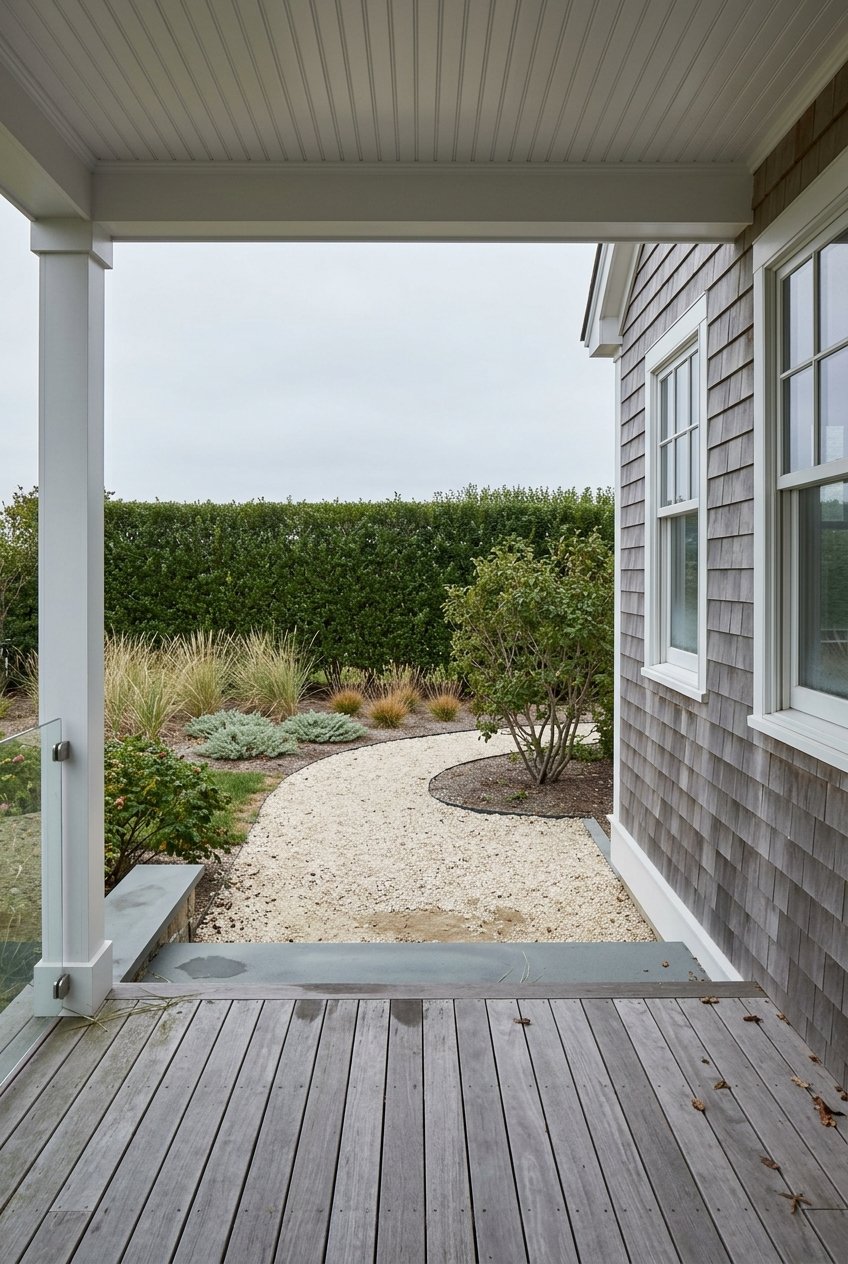
If you picture Nantucket living with sand in your shoes, a bike ride to the beach, and the sound of surf in the background, Surfside is likely already on your radar. This stretch of the island appeals to buyers, second-home owners, and seasonal renters who want easy access to one of Nantucket’s most popular south shore beaches without losing sight of the day-to-day details that shape ownership. In this guide, you’ll get a practical look at what makes Surfside special, how the area functions through the seasons, and what to keep in mind if you plan to buy, rent, or own here. Let’s dive in.
Why Surfside Stands Out
Surfside is built around a beach-first lifestyle. The Town describes Surfside Beach as one of Nantucket’s most popular beaches, known for its wide, flat shoreline and rolling surf over sandbars. On calmer days, that can mean easy beach time and outdoor fun, while windy weather or storm surge can bring heavier surf.
That setting helps explain why Surfside draws people who want to be close to surfing, boogie boarding, volleyball, and open-air island living. It also fits naturally into the broader Nantucket lifestyle, where beaches are central to daily life. According to the Town, Nantucket has 82 miles of beaches, much of it public, and more than half the island is protected from future development.
Surfside Location and Access
One of Surfside’s biggest strengths is convenience. The main approach runs about 2.3 miles down Surfside Road from the rotary and town area to the beach parking lot, so you are close enough to make beach trips part of your regular routine. That ease matters whether you are heading out for a morning walk, an afternoon surf check, or a sunset visit.
The beach itself is supported by practical public access features. The Town notes a large paved parking lot, handicap spaces, a concession stand, and a longer walk from the lot to the water through soft sand. For many buyers and renters, that combination means Surfside feels active and accessible, but still very much centered on the natural beach environment.
Getting Around Without a Car
Surfside is especially attractive if you want flexible transportation options. The Surfside Road Path is an easy 2.2-mile multi-use route from Nantucket High School to Surfside, and the island has more than 35 miles of sidepaths for biking, running, and walking. That makes bike access a real part of daily life, not just a vacation extra.
In the summer months, The Wave bus also serves Surfside from Washington Street in town. For owners with guests or for renters who do not want to rely on a car every day, that can make the area even more convenient.
What Homes in Surfside Look Like
Surfside is not a one-size-fits-all housing area. Town records show that some parcels along Surfside Road are compact, with examples such as 5 Surfside Road at 0.17 acres and 38 Surfside Road at 0.23 acres. That smaller-scale pattern is part of the neighborhood story and can appeal to buyers looking for a more modest footprint near the beach.
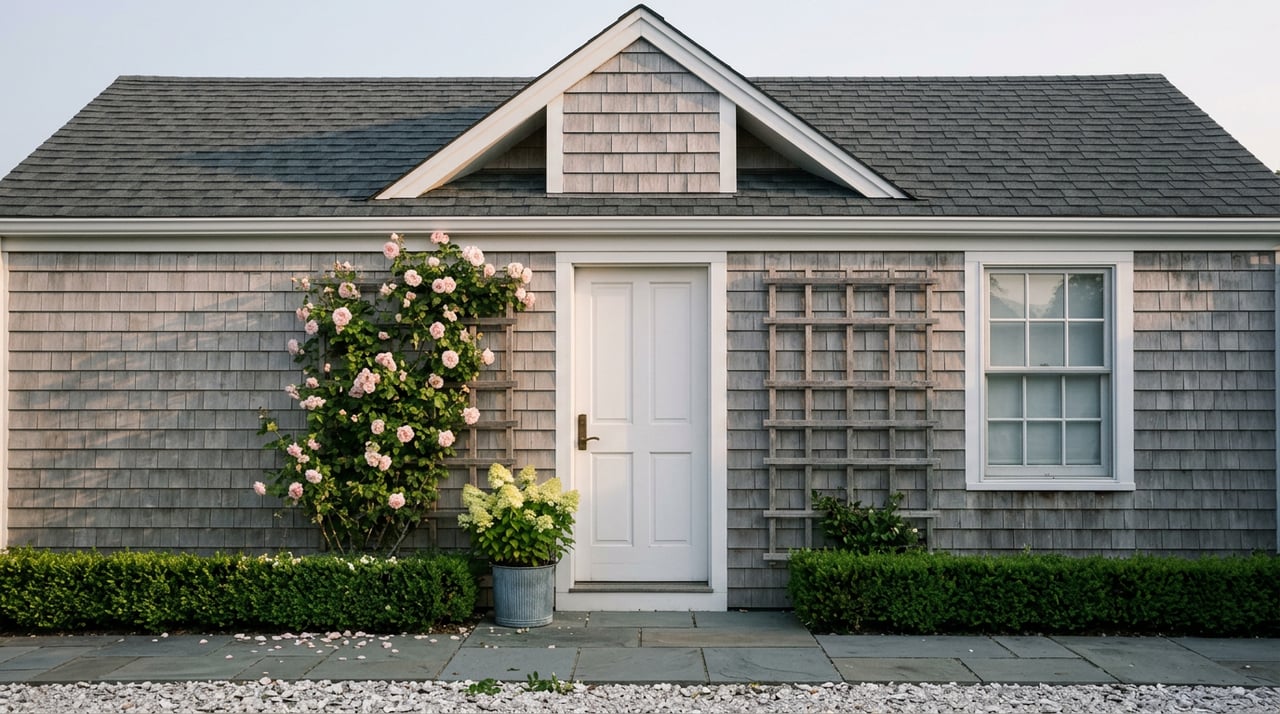
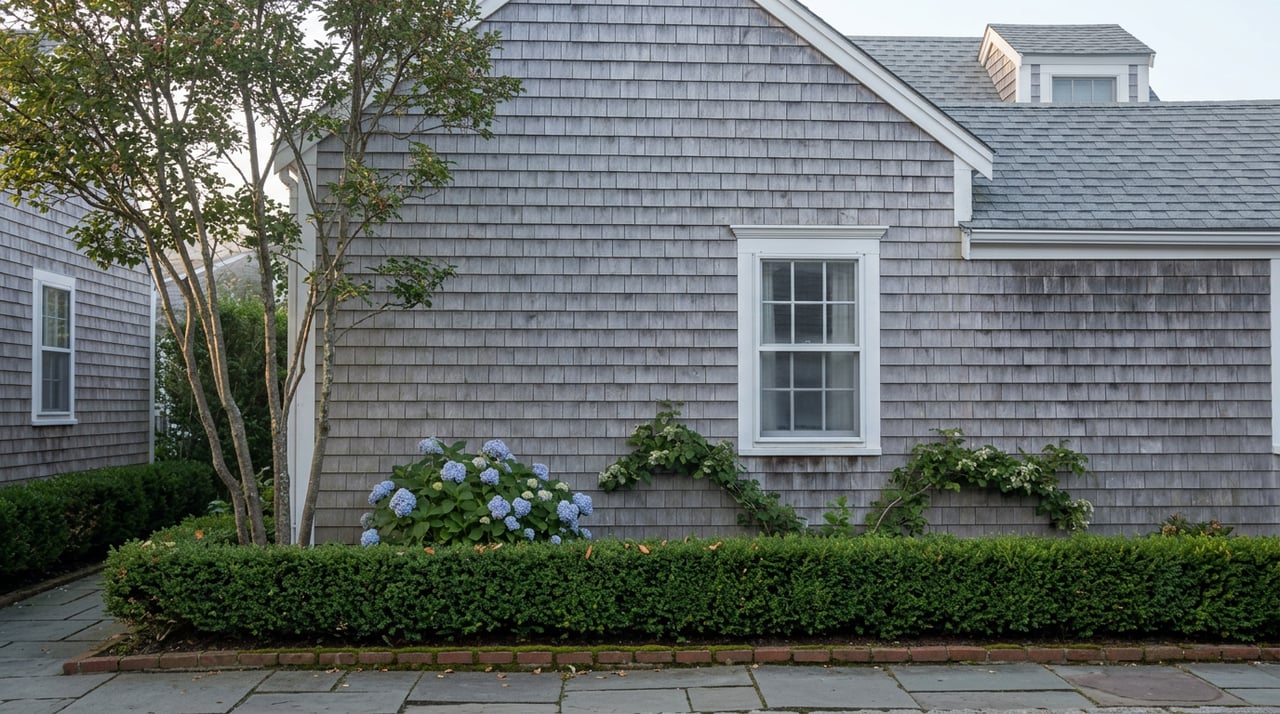
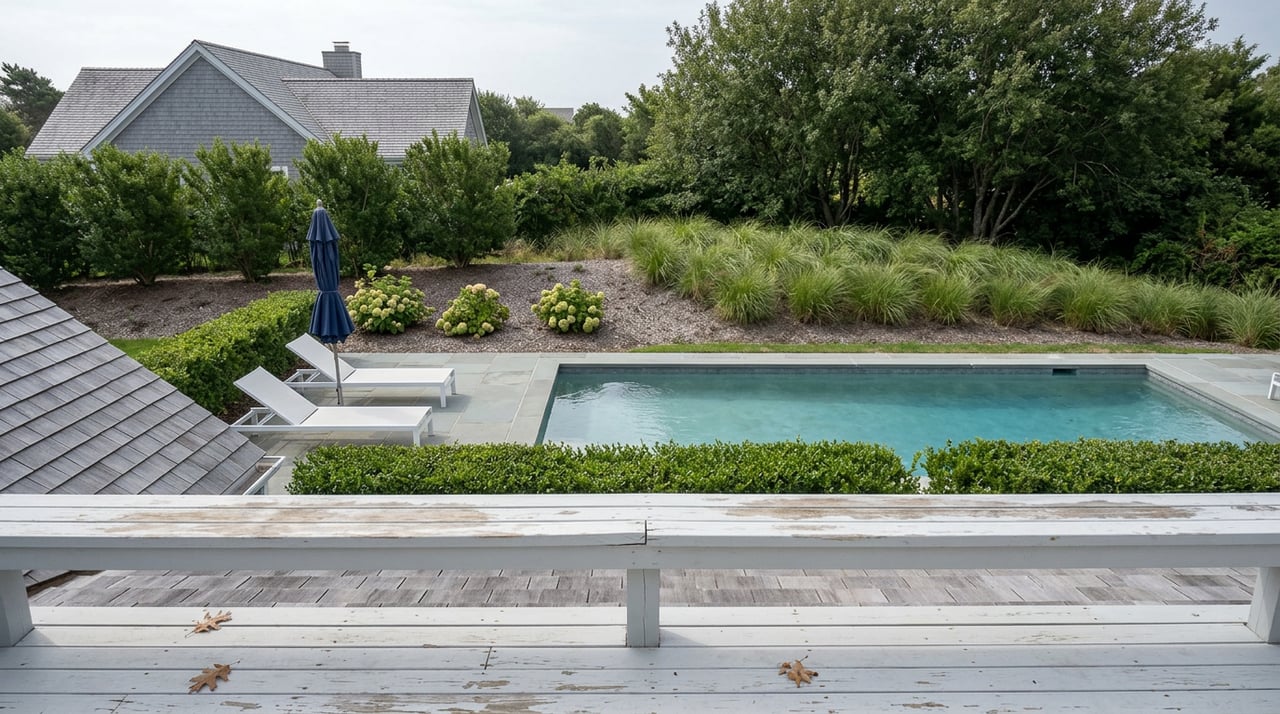
At the same time, listing examples show much larger properties in the same broader area. Recent snapshots include homes ranging from around 0.63 acres to 1.7 acres, including newer and larger residences. In simple terms, Surfside offers a mix of older cottages, mid-size single-family homes, and larger beach houses rather than one standard home type.
Why Parcel Details Matter
If you are evaluating a specific Surfside property, broad neighborhood appeal is only part of the picture. The Town assessor notes that zoning information in appraisal data should not be relied on for permit or license applications. That means buyers should verify zoning, setbacks, and any limits on rebuilding or expansion for the exact parcel under consideration.
This matters in Surfside because lot size, location, and use plans can vary widely from one property to the next. Two homes may share the same road address pattern and still offer very different ownership possibilities.
Beachfront Living in Real Life
Beachfront or near-beach living in Surfside comes with clear lifestyle benefits, but it also comes with rules and routines you should understand upfront. The area is designed around public beach use, seasonal demand, and environmental conditions. If you value being close to the water, it helps to know how those factors shape daily life.
For many owners, that means balancing convenience with planning. You may have easy beach access, a bike path nearby, and a strong summer atmosphere, but you also need to account for parking patterns, beach rules, changing surf conditions, and seasonal traffic.
Beach Driving and Public Rules
Beach driving is part of the Surfside lifestyle, but it is regulated by the Town. Surfside is open to beach driving in the winter, while summer driving is limited to nighttime hours only, and a beach-driving permit is required. The Town also notes that erosion and shorebird protection can lead to seasonal restrictions.
Public beach rules also shape how you use the area. Dogs must be leashed and licensed on Surfside and on all public property, and the Town prohibits bonfires, fireworks, alcohol, glass, and smoking on public beaches. These rules are worth reviewing if you are buying with guests, rentals, or regular beach entertaining in mind.
Beach Conditions and Seasonal Monitoring
During the warmer months, public beaches including Surfside are tested weekly under the state bathing beach testing program. For buyers and renters, that is one more example of how beach use on Nantucket is managed with public oversight and seasonal structure.
Surfside in Summer vs. Shoulder Seasons
Surfside can feel very different depending on the time of year. Summer is when the area is at its most active, with longer days, ocean breezes, beach traffic, and a more social rhythm across the island. The Town’s lifeguard information says guarded beaches average 6,000 to 10,000 people daily, with higher activity on long weekends and holidays, and the island’s summer population can rise above 54,000 in a normal year.
If you love energy, movement, and the feeling of being in the middle of Nantucket’s warm-weather season, Surfside delivers that well. It is one of the reasons the area is so appealing for second-home buyers and seasonal renters who want to step into the island’s busiest beach months.
What the Off-Season Feels Like
Outside peak summer, the experience shifts. The Town describes fall as quieter, with warm days lingering early in the season, and winter as a slower-paced time with fewer visitors and a stronger year-round community feel. In practical terms, that means Surfside can feel lively and social in July, then much calmer and more local in fall, winter, and early spring.
The weather helps extend the outdoor season more than many buyers expect. NOAA climate normals for Nantucket Memorial Airport show average temperatures around 69°F in July and August, 63.7°F in September, and 55.2°F in October. That helps explain why biking, beach walks, and outdoor time can remain part of your routine well past summer.
Surfside Rentals and Ownership Planning
If you are considering Surfside as a second home, an investment property, or a hybrid of personal use and rental income, local short-term rental rules are essential. The Town says any rental of 31 consecutive days or less requires a Short-Term Rental Certificate. Rentals totaling 14 days or less in a calendar year are excluded, each dwelling unit needs its own certificate, and registrations renew annually by October 31 for the following year.
Those rules matter because Surfside often appeals to owners who want flexibility. Some buyers want a pure second home. Others want to offset ownership costs through weekly or seasonal rentals. Still others want a property that can serve both personal use and a premium rental strategy over time.
Matching the Property to Your Goals
The Town’s local regulations say the purpose of the short-term rental framework is to create an orderly registration process and reduce nuisance conditions such as noise, traffic, and parking congestion. For you as a buyer or owner, the key takeaway is simple: your use plan needs to fit both the property and current Town rules.
That is especially important in Surfside, where beach proximity can make rental demand attractive, but compliance still depends on the exact dwelling and how you plan to operate it. A strong ownership decision here is rarely just about location alone. It is about aligning lifestyle goals, property features, and local requirements.
Is Surfside the Right Fit for You?
Surfside is a strong match if you want Nantucket living that feels close to the beach, connected to outdoor activity, and grounded in the island’s seasonal rhythm. It offers practical access, strong bike connectivity, and a range of home styles that can support very different ownership goals. At the same time, it is not a one-note neighborhood, and that is part of its appeal.
If you are exploring Surfside, it helps to look beyond the idea of “beachfront living” and focus on how you want to use the property. Your ideal fit may be a compact cottage near the sand, a larger newer home with more privacy, or a property that balances personal use with vacation rental potential. The right choice depends on the parcel, the seasonality you want to embrace, and the ownership plan you want to build.
For buyers, sellers, and owners thinking through Surfside opportunities, local context makes all the difference. To talk through Surfside homes, Nantucket neighborhood strategy, or vacation rental potential, connect with Sanford & Sanford Real Estate.
FAQs
What is Surfside Nantucket known for?
- Surfside is known for its wide south shore beach, rolling surf, bike access, and beach-first lifestyle with activities like surfing, boogie boarding, and volleyball.
How far is Surfside Beach from town on Nantucket?
- The main route to Surfside Beach runs about 2.3 miles down Surfside Road from the rotary and town area to the beach parking lot.
What types of homes are available in Surfside Nantucket?
- Surfside includes a mix of compact older parcels, mid-size single-family homes, and larger newer beach houses, so housing options are not limited to one standard lot or home type.
Can you bike to Surfside Beach on Nantucket?
- Yes. The Surfside Road Path is an easy 2.2-mile multi-use route to the beach, and Nantucket has more than 35 miles of sidepaths for biking, walking, and running.
Are short-term rentals allowed in Surfside Nantucket?
- Short-term rentals may be allowed, but rentals of 31 consecutive days or less require a Town Short-Term Rental Certificate, with certain limited exclusions and annual renewal requirements.
Is Surfside Nantucket busy year-round?
- No. Surfside is typically busiest in summer, while fall, winter, and early spring tend to feel quieter and more relaxed.